Importer · Exporter · Manila
Food staples in. Philippine produce out.
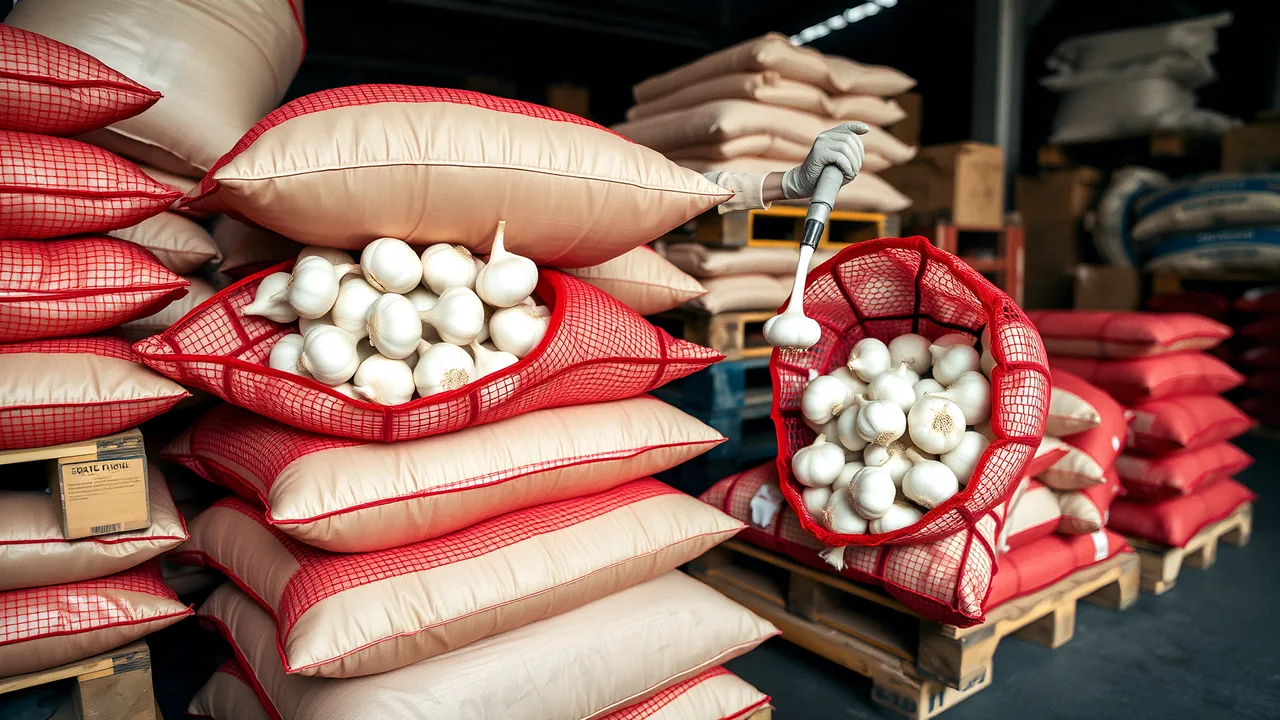
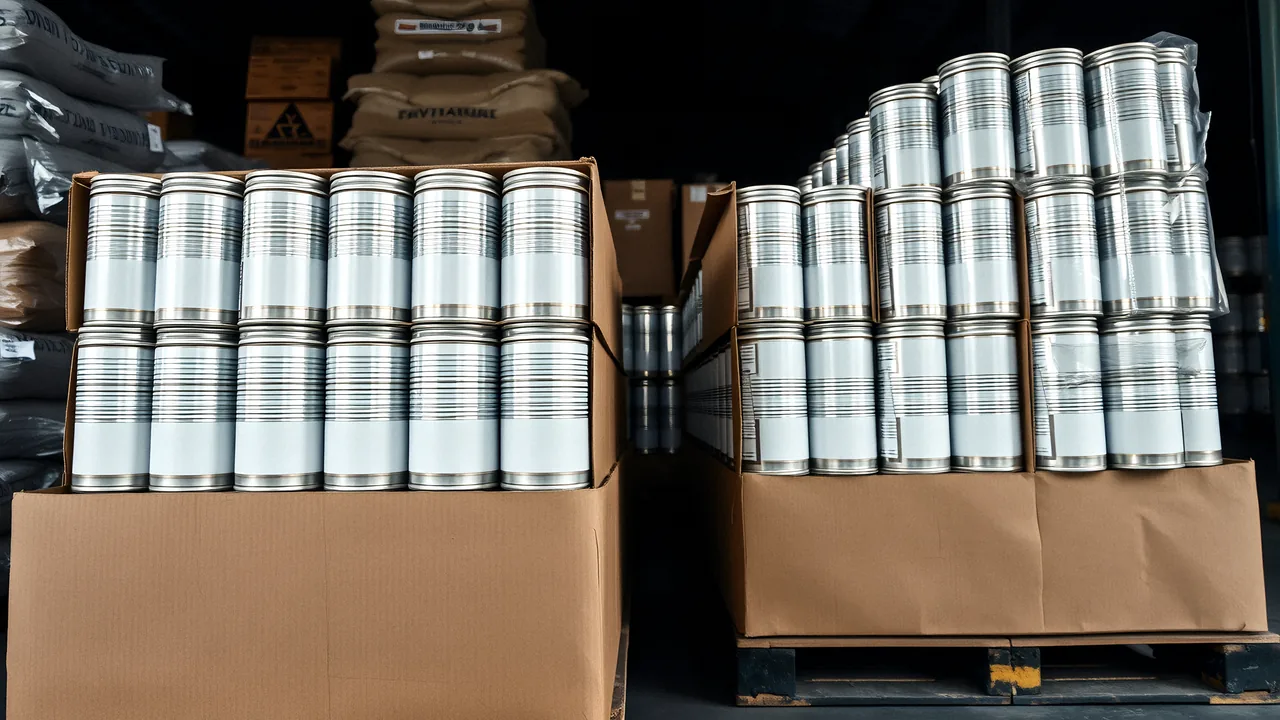
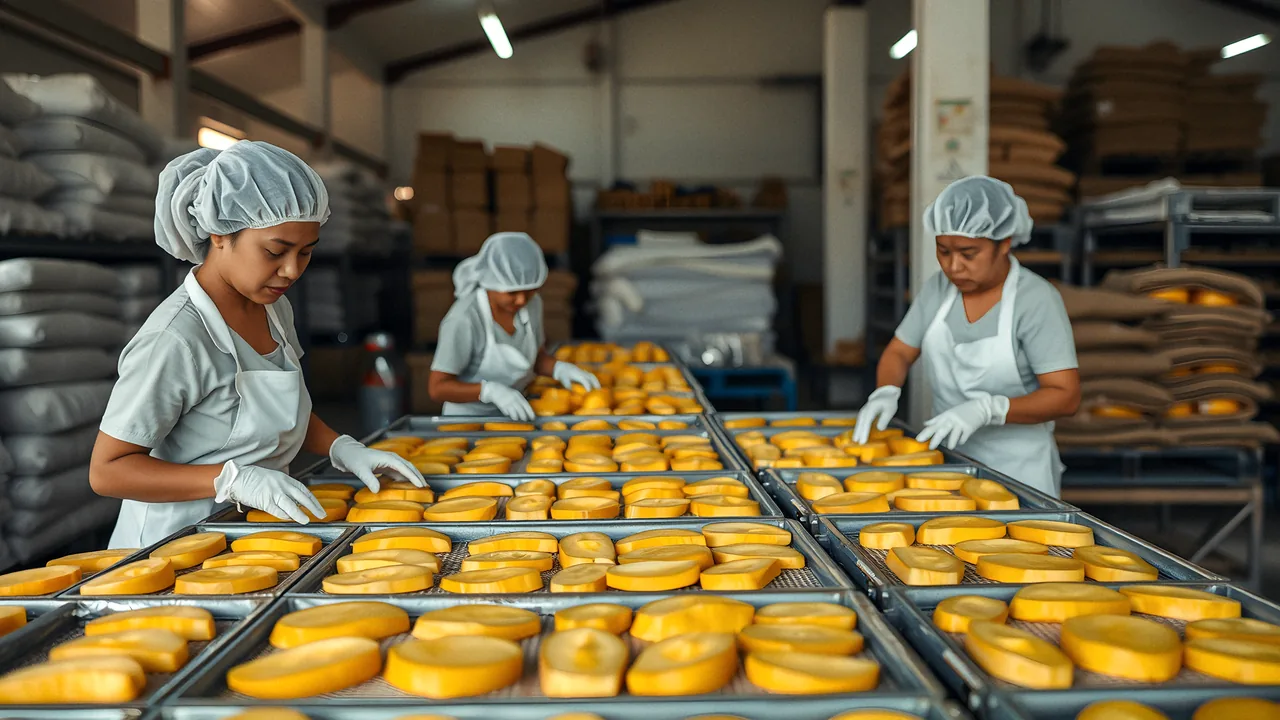
Garlic, canned fish and noodles for Luzon's wholesalers; Philippine coconut, dried mango and banana chips for buyers in Asia and the Middle East — every container, permit and peso accounted for.
How a shipment runs
Four boxes, ticked in order.
- 01
Quoted in full
Price, Incoterm, lead time and the documents that travel with the goods — on one sheet, before you commit.
- 02
Booked and tracked
Every container has a number, a vessel and a date. We tell you when it departs, arrives and clears.
- 03
Cleared properly
Permits, certificates of origin and duties lodged by our own broker. Preferential rates claimed when the paper allows.
- 04
Delivered from stock
Two warehouses in Valenzuela and Cavite, one of them bonded. Lots are traced from the ship to your truck.
Why buyers stay
The landed cost is a number, not a guess.
Freight, insurance, duty, brokerage, arrastre and trucking are each billed against the container they belong to, so the price we quote you next time is built on what the last one really cost.
- ■Preferential ASEAN and RCEP duty claimed whenever the certificate of origin allows.
- ■Exports on letter of credit, with the documents checked against it before they leave our hands.
- ■Short or damaged cargo claimed from the carrier or the insurer — not absorbed in silence.
| Goods, at the invoice's rate | 78% |
| Ocean freight and insurance | 9% |
| Duty and VAT on importation | 8% |
| Brokerage, arrastre, trucking | 5% |
Shares are illustrative; every quotation shows its own.
Buying, or supplying?
Tell us the product, the quantity and the port. A trade officer answers the same business day.